
Montalbano’s Reluctant Investigation
The Shape of WaterMontalbano moves from routine response to an unofficial inquiry, following discrepancies even as powerful people demand closure.
increasing Bearing strength in each event
 decreasing
Bearing strength in each eventdecreasingCalled from a Dream
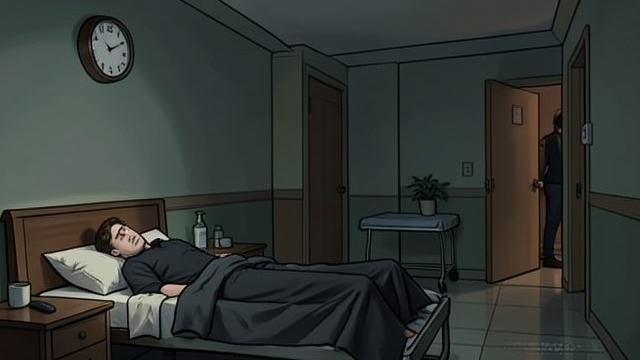
Called from a Dream
The Call
Fazio wakes Montalbano to report a possible death at the Pasture. The inspector arrives expecting a gang killing, then learns the dead man is Luparello.
First Judgment
The body’s condition prompts suspicion, although the autopsy soon points to natural causes.
Forty-Eight Hours
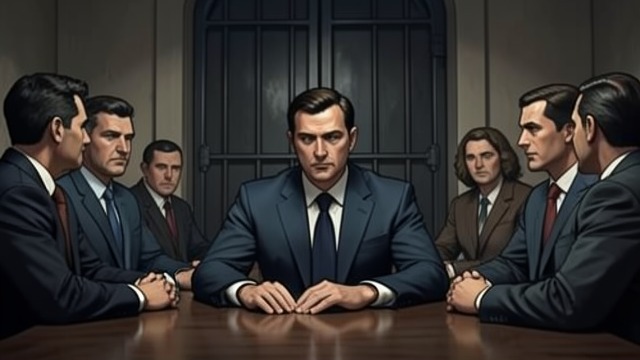
Forty-Eight Hours
Institutional Pressure
The judge, prefect, commissioner, clergy, and political figures all urge a rapid conclusion. Montalbano asks for two more days without claiming to possess proof.
Private Instinct
His delay rests on a mismatch between Luparello’s caution and the place of his death.
Following the Physical Clues
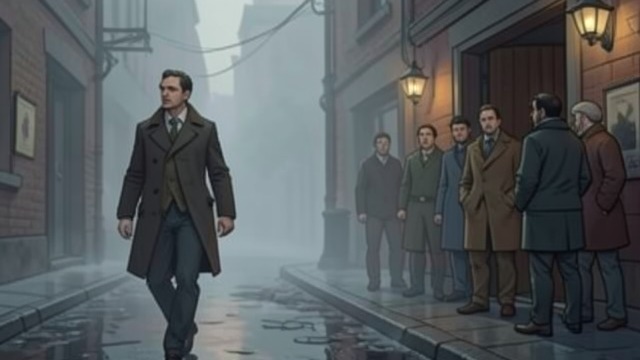
Following the Physical Clues
Patient Work
Montalbano tests the route to the Pasture, studies witness accounts, and searches the abandoned factory. Small discrepancies outweigh official certainty.
Changing Focus
The inquiry shifts from how Luparello died to who arranged the scene.
The Widow’s Evidence
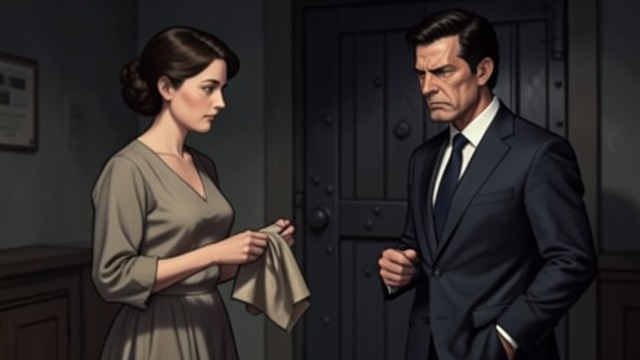
The Widow’s Evidence
A New Interpretation
Mrs. Luparello points out that her husband’s underwear was reversed, suggesting he had been dressed hastily after being surprised naked.
A Political Theory
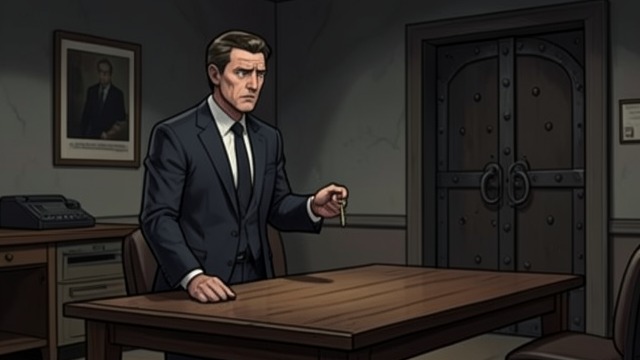
She sees an assault on his public image, not necessarily a murder, and gives Montalbano keys to his private cottage.
Closing Without Resolution
Closing Without Resolution
The Limit of Proof
Montalbano lays out his reconstruction but admits that evidence cannot prove it. The commissioner recognizes its plausibility and its legal weakness.
Choice
Montalbano prepares to let the official inquiry close, carrying the unresolved truth privately.
Early Monday morning
The day after the autopsy
During the investigation’s middle days
The day before the funeral
After the account to the commissioner
